
Notes avatar

Watching

Films, TV shows, visual arts, and all that stuff that I might put my eyes on and watch for a bit.

Ferris Bueller & Jouissance

There is a post about watching the film Ferris Bueller’s Day Off over on the Infinite Regress blog.

At the very end of the post, there is this point:

What is the message for the your audience? If you are charming enough and don’t behave too too badly you can get away with much shenanigans? Ain’t that the truth.

I read this and thought about something about Freud's thought that I've been saying for a while now. Freud pointed out how, in his day and age, there was a kind of injunction against enjoyment (sexual enjoyment in particular). During this time, people wanted to (1) have fun by doing what was enjoyable and (2) obey the injunction not to enjoy so they wouldn't need to worry about getting in trouble. Being stuck between these two things is a main factor in compromise formation, AKA symptom formation.

After reading Freud seriously for years, I think what Freud was pointing out (but did not directly state) is that the social injunction against enjoyment was actually a demand that people didn't enjoy in public. If they did something enjoyable (i.e., sexual), they had to do it in a way that was very private. If they complied with that demand, they could get away with a lot.

The best example I've seen of this on TV comes from The Crown, where Prince Philip tells Princess Diana not to rock the boat.

He says,

Just be creative. You can break as many rules as you like. You can do whatever you want. You can make whatever arrangements you need to make to find your own happiness. As long as you remember the one condition, the one rule: you remain loyal to your husband and loyal to this family in public."

The bargain, then, is that you can break the rules as long as you publicly uphold them. What has to remain intact is the appearance of obedience.
A YouTube featue I want, but won't get

Whenever I use YouTube to research a product I’m considering buying, in this case, the difference between a DJI Action 5 Pro and Action 6, the algorithm goes nuts and keeps suggesting other videos that I don’t need or want.

I wish there was something like a just browsing feature I could turn on when I don’t want YouTube to think I really want more information about X thing.

Rober MacFarlane's writing process

Yesterday, I wrote about the first sentences of The Old Ways: A Journey on Foot by Robert MacFarlance.

Today, I found this

Macfarlane begins each project with what he calls a “portal question” — seemingly simple questions like “Why do we climb mountains?” or “Is a river alive?” These questions, when combined with a child-like wonder and openness, can lead the writer through interesting, complicated, difficult terrain. These questions are the basis for a kind of intellectual exploration.

MacFarlane discusses his process extensively in this interview.

Explaining Back to the Future to a Five year old kid

Recently, my five-year-old kid saw a DeLorean, and he thought it looked really cool.

I told him it was in these really cool movies called Back to the Future.

He asked me what the movies were about, and why they were called Back to the Future . This audio is me trying to explain thfrist two films to him. It’s actually kind of hard to explain these movies to a five-year-old! (Well, it was hard for me.)

Below is a quote from my ridiculous explanation.

 When he goes back in time, the car kinda runs outta gas, and he has to find a way to get more gas to make the car go back to his present, which is the future in the past where he is, which is very confusing.

Transcript

Time slips through your fingers like an eel

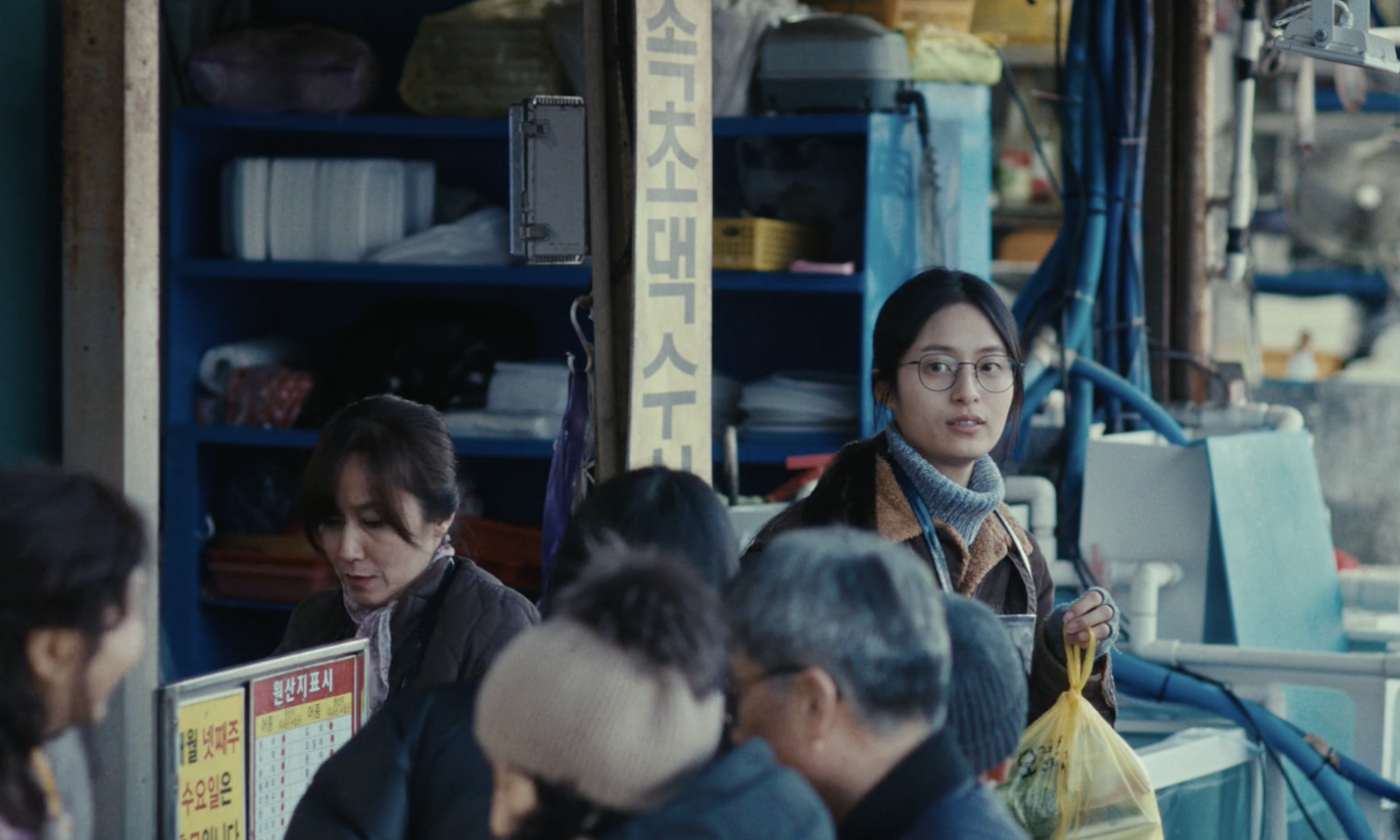
From the film Winter in Sokcho (2024) on Mubi.

Time is so cruel. It slips through your fingers like an eel.

Yeah!

When I read these words on the screen while watching the film (with English subtitles), I paused the movie to contemplate what they conveyed.

My reverie brought up thoughts about how, nowadays, I sometimes consider starting something and decide not to because I know I won’t have time to see it through to the end.

(Recent example: Starting a long book, trying to learn a new language, & cleaning out the storage room in my basement.)

I don’t think this happened to me when I was younger, or if it did, it didn’t happen as often as it does now. The reason for this: when I was young, I could honestly tell myself I had a lot more free time and a lot more tomorrows… Saying “I’ll do X later” or “I’ll get to X tomorrow” wasn’t necessarily a lie.

Now, experience has taught me that whenever I think I’ll get to something later or tomorrow, I quickly realize that’s probably not true. I recognize that sentiment as an appealing fiction, but a fiction nonetheless. I’ve come to really experience, acknowledge, and know that time slips through my fingers like an eel.